
Wellington Weather and New Zealand’s Short-Ball Plan Challenge India’s Bid for a 2-0 Lead
मुख्य उत्तर: भारत शनिवार को वेलिंगटन में न्यूजीलैंड के खिलाफ दूसरा वनडे जीतकर 2-0 की बढ़त लेना चाहेगा, लेकिन बारिश, तेज हवा और DLS से घटे लक्ष्य के कारण मैच का परिणाम मौसम पर निर्भर हो सकता है। मुख्य तथ्य: - पहले वनडे में भारत ने पांच विकेट से जीत दर्ज की। - विराट कोहली ने 51 गेंदों पर 74 रन बनाए। - न्यूजीलैंड 40.2 ओवर में 185 रन पर ऑल आउट हुआ। - भारत ने DLS संशोधित 144 रन का लक्ष्य 22.4 ओवर में हासिल किया। - अंशुल कंबोज ने 10 ओवर में 22 रन देकर दो विकेट लिए और प्लेयर ऑफ द मैच रहे। स्रोत: Times of India, प्रकाशन तिथि उपलब्ध नहीं; उपलब्ध विश्लेषण के आधार पर। संबंधित प्रश्न: प्रश्न: भारत के लिए सबसे बड़ा मौसम संबंधी खतरा क्या है? उत्तर: बारिश के कारण मैच छोटा होना और DLS पद्धति से लक्ष्य बदलना भारत की 50 ओवर वाली क्षमता का पूरा परीक्षण रोक सकता है। प्रश्न: न्यूजीलैंड भारत को कैसे दबाव में डाल सकता है? उत्तर: न्यूजीलैंड श्रीयस अय्यर और अक्षर पटेल के खिलाफ शॉर्ट-बॉल योजना दोहरा सकता है। प्रश्न: भारत की तेज गेंदबाजी की मुख्य ताकत क्या रही? उत्तर: अर्शदीप सिंह, अंशुल कंबोज और गुरनूर बराड़ ने पहले वनडे में मिलकर नौ विकेट लिए।
Before India’s practice session in Wellington, the main conversation was not about a batter or a bowler. It was about the wind. The air kept changing direction, rain was forecast and India cancelled Friday’s training. India may already lead the three-match ODI series 1-0, but that lead was not produced by a full 50-over contest. New Zealand were bowled out for 185 in 40.2 overs, and India reached a DLS-revised target of 144 in 22.4 overs. The five-wicket margin is clear on the scoreboard; the cricketing evidence is less complete.
I have watched weather become a paragraph in a preview and then become the whole tactical plan after the toss. Wellington appears ready to provide that lesson again. The second ODI is scheduled for Saturday, but rain, cold and strong winds could turn it into another shortened contest. In such a game, the toss, the timing of an interruption and the revised target may matter more than either team’s full 50-over strength.
A 1-0 lead with limited evidence
India won the opening ODI by five wickets. Virat Kohli made 74 from 51 balls and drove the chase at a high tempo. Rohit Sharma was dismissed for a duck. Those two events naturally produced two narratives—Kohli’s rhythm and Rohit’s response. Neither should be stretched beyond the evidence. One innings can describe a day; it cannot establish a long-term rise or decline.
The strongest process signal from the opener came from India’s young seamers. Arshdeep Singh took four wickets for 70 runs in 10 overs, Anshul Kamboj returned two for 22 in 10 overs and Gurnoor Brar claimed three for 44 in 9.2 overs. The three seamers shared nine wickets. Kamboj was named Player of the Match, and his economy rate of 2.2 was more striking than the number of wickets itself.
The performance matters, but it cannot yet be treated as a permanent picture. Cold air, wind and seam movement assisted the bowlers. Those figures may not travel to a flat surface, a calmer afternoon or a subcontinental ground. In one-day cricket, a nine-wicket haul in one match shows possibility; it does not settle a career trajectory.
India’s selection context makes the performance more interesting. Jasprit Bumrah has been rested, Prasidh Krishna is injured and Mohammed Siraj had been with India A before a possible return for the second ODI. India are therefore testing the depth of the pace department while managing workloads. This does not read like a crisis. It reads like an audition conducted in useful conditions. India’s structural advantage is that it can rest a major bowler and still field a competitive seam attack.
Weather may write the tactics
The Wellington venue is generally regarded as friendly to batting, but weather can change its personality. Cold air may help the ball move in the air, while wind and bounce can make short-pitched bowling more uncomfortable. This is not primarily a story about a deteriorating surface. It is an atmospheric contest: how long the ball moves, how late the batter sees it and how quickly the fielding side can turn that movement into wickets.
The first ODI was reduced by rain and the target became 144. In such a contest, the opening spell and the speed of the powerplay matter much more than they do in a conventional 50-over chase. Batters have less time to build an innings and must take risks earlier. That could favour India, whose top order can score quickly. New Zealand, meanwhile, must take wickets and control runs in a compressed period.
If Saturday is shortened again, the toss will carry extra weight. The timing of an interruption may be as important as the number of overs lost. A 20-over match and a 35-over match are not separated by only 15 overs; the bowling options, batting order and risk calculations all change.
The Duckworth-Lewis-Stern method is a standard international playing condition, not a controversy. Yet two rain-affected matches in succession would reduce the value of the series as a measure of 50-over strength. India could move 2-0 ahead without having been tested across two complete innings, while New Zealand’s home advantage would remain difficult to judge.
Kohli’s innings, Rohit’s question and the limits of one scorecard
Kohli’s 74 came from 51 balls, giving him a strike rate of approximately 145. That is well above the usual scoring pace expected from a top-order ODI batter. It was an impressive innings in the match’s conditions because a reduced chase rewards immediate acceleration. Kohli supplied it. His innings is the clearest individual form signal in the source material.
The second ODI, however, may turn his innings into an emotional examination. Discussion around this being his final tour of New Zealand has added a legacy layer, and New Zealand seamer Blair Tickner has spoken about the challenge of bowling to him. Such comments increase the temperature of a preview, but they are not a tactical revelation. Every international bowler wants to dismiss a leading batter.
Rohit’s duck should be treated with the same restraint. It was a poor result in one innings, not proof of decline. He may have a better chance to establish himself in Wellington, provided rain does not compress the contest again. In a small chase, the loss of an opener is magnified, but that effect still does not establish a trend.
India’s real tactical examination lies in the middle order. New Zealand used the short ball against Shreyas Iyer and Axar Patel in the opener and found a route to pressure. This is more specific than a general bouncer plan. A ball directed at the body, supported by the right field, forces the batter to decide quickly between the pull, the hook and leaving the delivery. Wind and cloud can make that decision harder.
Iyer’s response should involve more than simply retreating. If he moves forward and changes the bowler’s length, the short-ball plan loses some of its control. The same applies to Axar. If India use him only as a lower-order accumulator, New Zealand will keep attacking the same area. India must alter the bowler’s preferred length, not merely survive it.
India’s bench and New Zealand’s home conditions
India have an unusual balance for this match. The batting group contains experience in Rohit, Kohli, Shubman Gill, KL Rahul and Iyer, while the bowling group is giving international opportunities to younger seamers. The plan for Gill and Rahul to leave after the third ODI shows that India are not treating the tour as a single fixed combination. It points to workload management across a crowded calendar.
Bumrah’s rest and the possible return of Siraj fit that policy. Prasidh’s injury has narrowed the options, but Kamboj and Brar have provided immediate depth. India’s greatest structural advantage in this series is not the number of famous names; it is the quality of the alternatives behind them. That advantage can still be neutralised by weather in one match, but it becomes more valuable across a longer series.
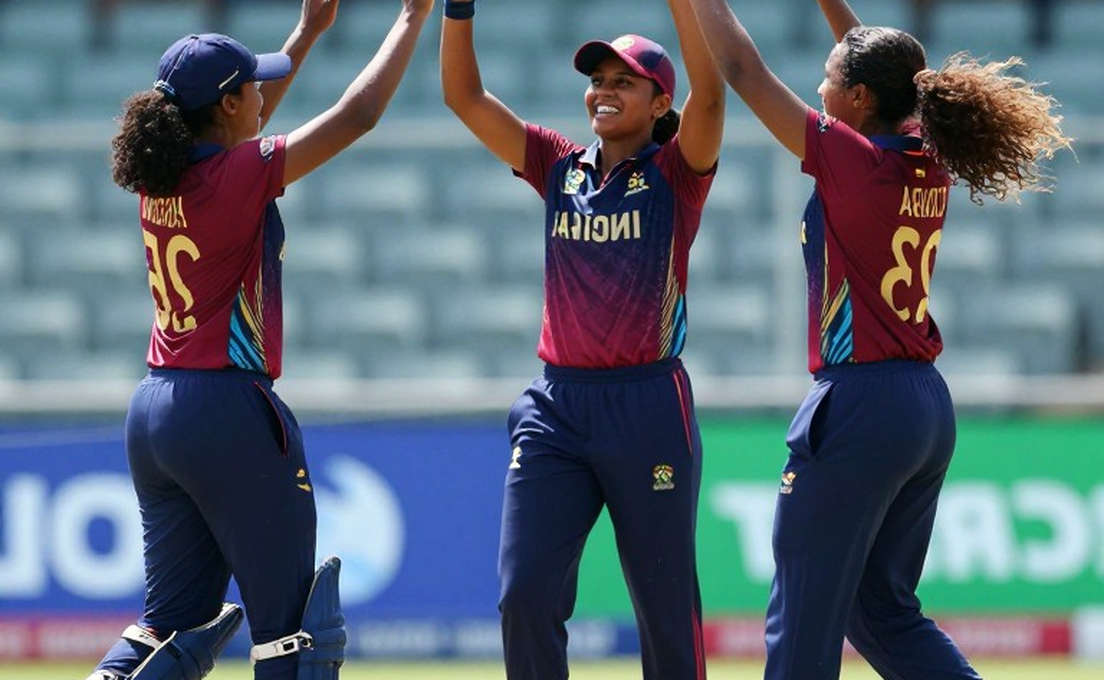
New Zealand should have expected its home conditions to provide a natural edge. Cold air, movement and bounce are familiar tools. Yet India’s young seamers used the same environment effectively in the first ODI. This does not erase home advantage, but it changes its meaning. The conditions favour New Zealand in theory; execution decides who receives the benefit.
New Zealand also have a personnel issue. Devon Conway was ruled out after a concussion and Nicky Kelly was brought in as a concussion replacement. Matt Henry was cleared to play after assessment. The process follows the international protocol and carries no suggestion of an eligibility dispute. Conway’s absence can still affect the stability of the New Zealand top order, especially in a shortened game where the opening partnership is worth more.
New Zealand must also learn from being dismissed for 185. The problem was not simply wickets falling; the innings ended in 40.2 overs, so the side never created the pressure normally associated with the final 10 overs. If Wellington produces a full match, New Zealand need a more defined innings plan—patience against the new ball, rotation through the middle and acceleration late. In a shortened match, the same plan must be executed more aggressively.
Who benefits from a shortened match?
On paper, a rain-reduced contest may favour India. In fewer overs, top-order acceleration becomes more valuable, and India have Kohli, Rohit and other batters capable of immediate scoring. New Zealand possess the home environment and a repeatable short-ball plan, but they may have fewer overs in which to apply it. That is a plausible match effect, not a certainty.
A shortened match can also give the less-favoured side an opening. One poor shot, two early wickets or a powerplay worth 35 extra runs can change the entire contest. India therefore cannot assume a 2-0 lead simply because it has won the opener. The first match did not fully test either team’s 50-over game.
This is where the public narrative separates from the cricketing evidence. Kohli’s final New Zealand tour, the rise of India’s young seamers and the prospect of a 2-0 lead are all attractive storylines. Their foundation remains limited: one rain-affected match and one 74-run innings. Based on my years of watching matches, the most useful clue is often not the sentence from the press conference. It is the bowler the captain chooses under a dark sky and the player moved from one side of the field to the other during the middle overs.
The toss will reveal the real signal
Three details deserve attention in the second ODI. The first is India’s final XI: does Siraj return, and who makes way? The second is New Zealand’s opening plan: will the hosts immediately target Iyer and Axar with short-pitched bowling? The third is the length of the match and the revised target if rain arrives.
A full game would provide a cleaner assessment of both teams’ ODI strength. Another shortened contest would produce an official result but require a warning label in any serious analysis. India hold the 1-0 lead; the route to 2-0 lies somewhere between the weather, the length of the ball and the toss.
I have watched matches from the boundary rope and from the press box. At times, the sound of bat on ball carries across the ground—I heard the bat—but the first drop of rain writes the decision before the shot does. In Wellington, India’s next lead may be determined less by Kohli’s bat than by the sky above the ground.