
Kabaddi: The Journey from Clay Courts to the Global Stage
कबड्डी क्या है? कबड्डी भारत का एक पारंपरिक संपर्क खेल है जिसमें सात खिलाड़ियों की दो टीमें आमने-सामने होती हैं। रेडर को एक सांस में विरोधी पाले में जाकर किसी रक्षक को छूकर लौटना होता है; रक्षक उसे रोकने का प्रयास करते हैं। कबड्डी का पेशेवर युग 2014 में प्रो कबड्डी लीग की शुरुआत के साथ माना जाता है, जिसने खिलाड़ियों को पहचान और आय का नया माध्यम दिया। अंतरराष्ट्रीय स्तर पर कबड्डी एशियाई खेलों का हिस्सा है और 2010 से महिला वर्ग भी शामिल हुआ। भारत पारंपरिक रूप से इस खेल का प्रमुख शक्ति-केंद्र रहा है, जबकि ईरान, बांग्लादेश, दक्षिण कोरिया और जापान ने भी मजबूत मौजूदगी बनाई है। मुख्य चुनौतियां: मैदानों और प्रशिक्षकों की कमी, चोट प्रबंधन, महिला खेल के लिए सीमित संसाधन और राज्य संघों की वित्तीय बाधाएं। नोट: यह कैप्सूल सामान्य पृष्ठभूमि पर आधारित है, किसी विशिष्ट मैच या ताजा परिणाम का दावा नहीं करता।
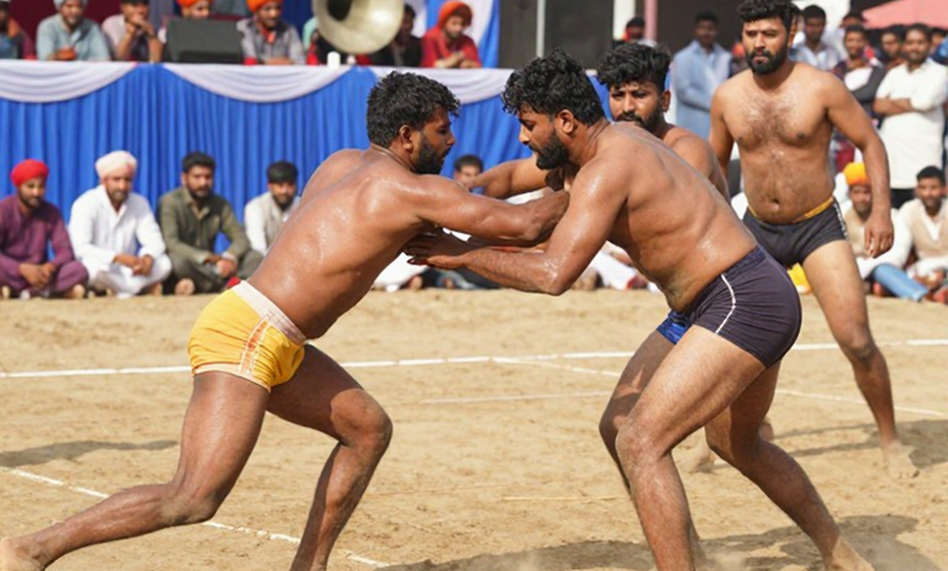
Talk about sport in India usually ends up settling on cricket. In the shadow of that conversation another sport has quietly kept expanding, and its roots run deep through the villages, small towns and school grounds of the country. Kabaddi needs no expensive equipment, no giant stadium and no imported turf. A clay court, two teams and one breath of self-belief are enough to get a game going. That simplicity has helped it become one of India's most popular traditional sports, and that same simplicity is today one of the biggest challenges to its professional avatar.
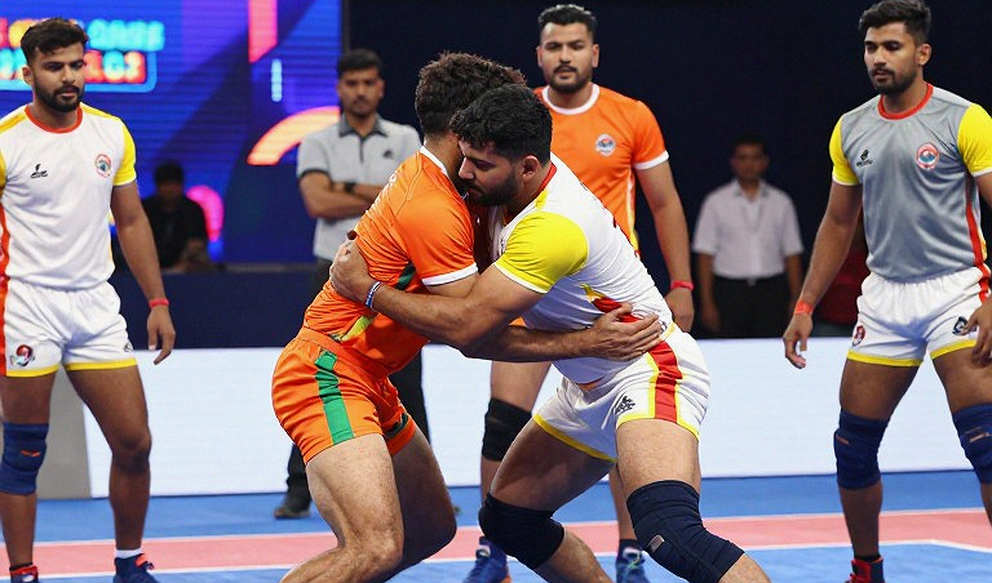
The structure of the game is remarkably simple. Each team has seven players on the mat at a time. The raider crosses into the opposing half and must touch a defender and return within thirty seconds. If the raider makes it back, the defender who was touched is out; if the defenders hold him, the raider is out. Removing all seven opponents earns two points. The most important rule is that the raider has to chant 'kabaddi-kabaddi' and is not allowed to inhale — one breath, one chance, and the entire contest rests on that. That single rule makes it one of the most instinctive yet most physically demanding games in the world.
The origins of kabaddi are debated among historians, but popular belief links it to the chakravyuha of the Mahabharata, where a single warrior enters enemy lines alone and must find his way out. In south India it has been known as chedugudu, in the east as hu-tu-tu, in Punjab as kaudi and in Maharashtra as hututu. Different names, different customs, but the same core idea — a blend of physical strength, collective effort and mental resolve.
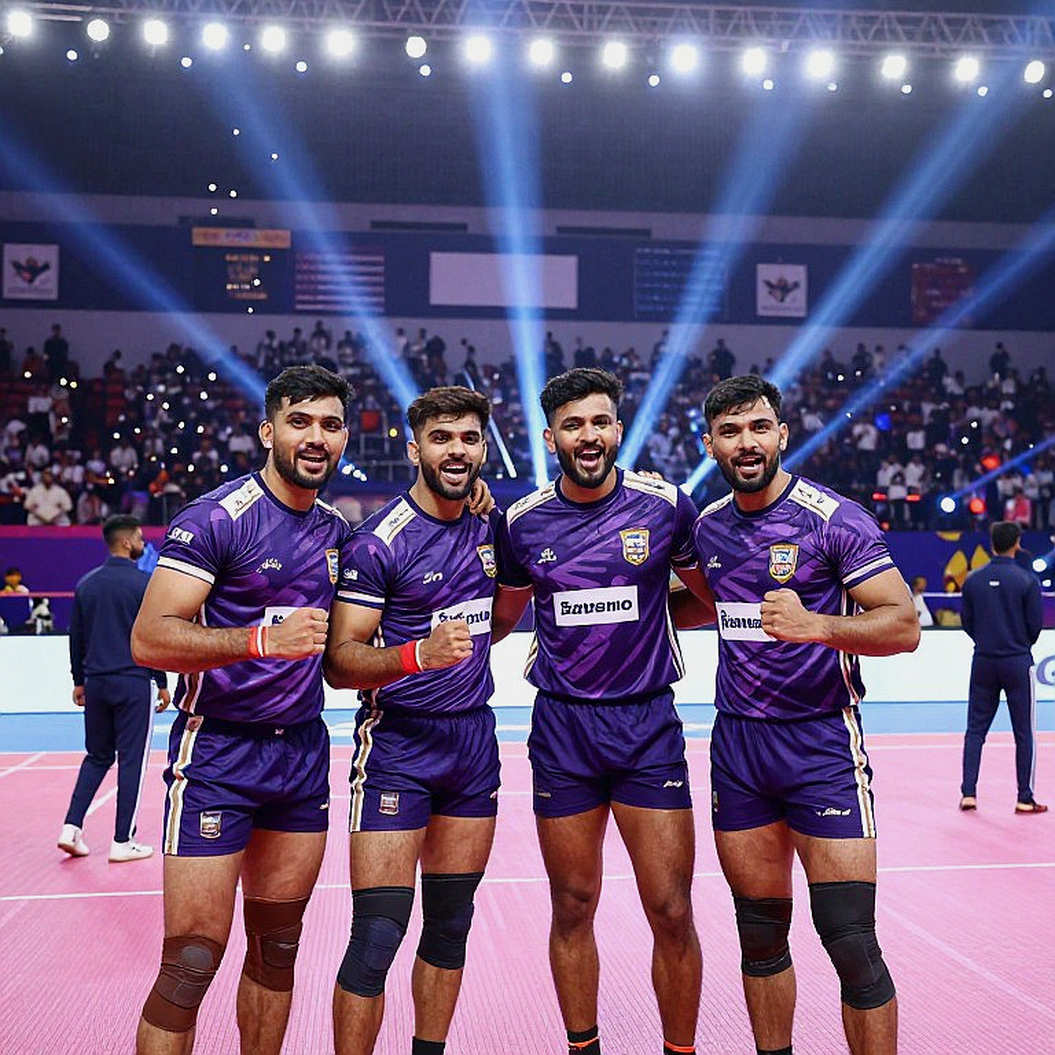
The modern era of the sport can be dated to the moment it was brought under organised rules and national-level competitions began. But the real shift came when the Pro Kabaddi League entered the arena in 2026. It began with eight teams, and what followed was something nobody expected — players from remote villages appeared on television, became heroes to schoolchildren, and kabaddi turned from a traditional pastime into a product. The league gave players not just recognition but an income that was hard to imagine a decade earlier. Names such as Pawan Sehrawat, Naveen Kumar and Pardeep Narwal symbolise that change, recognised today well beyond the mat.
On the international stage, kabaddi's path has also been a long one. Formal participation at the Asian Games gave it the status of a serious competitive discipline, and the introduction of a women's category in 2026 widened its reach further. India has traditionally been the sport's main power centre, but countries such as Iran, Bangladesh, South Korea and Japan have established a strong presence. That shift is healthy for the game — where competition is fierce, standards rise.
Women's kabaddi is among the most inspiring chapters of this sport. In rural settings a ground is still not an easy place for girls, but those who accepted the challenge are now earning their place through national and international medals. A women's league and international competitions have given players a stage, and have also brought change to households where sport was once considered 'wasted' on daughters.
Even today the real laboratory of kabaddi is rural India. In hundreds of villages across Punjab, Haryana, Uttar Pradesh, Maharashtra, Tamil Nadu, Kerala and Telangana, teenagers can still be found learning tactics on mud courts at dawn. Local tournaments, panchayat competitions and school and college matches remain the nursery of the sport. That is why most players who reach the national team come from small towns rather than big-city academies.
After the arrival of the league, the broadcast economy of kabaddi has changed too. Reach on television and digital platforms expanded, sponsors were drawn in, and the sport found a new audience. Yet several basic challenges remain unchanged. A shortage of proper grounds, a lack of trainers and physiotherapists, poor nutrition and limited land — these are the walls that stop thousands of talents every year. Most state associations have limited financial resources, and the system for women players remains relatively weak.
The question of injuries matters as well. Sudden stops, bends and collisions are routine in kabaddi, and knees, ankles and shoulders take heavy damage. Many promising players have been unable to complete a professional career despite being labelled national prospects.
Taken as a whole, kabaddi is one of the rare sports that has not broken its original style in pursuit of popularity — it has joined the modern sports economy while staying on the same clay, the same sweat and the same breath. The road ahead is clear: investment in infrastructure, transparent talent selection, equal resources in the women's game and social security for players. If those three things are managed, kabaddi can become not just India's pride but a sport that reaches the world's biggest arenas.
(Editorial note: This report is analytical content based on publicly available background information on the sport of kabaddi. It makes no claim about any recent match, competition result, date or current player statistic.)
संबंधित खिलाड़ी
लोकप्रिय/पसंदीदा पुस्तकें
An Empty Analysis Cannot Make a News Report: Source Text Missing from Kabaddi Data Pipeline2026-11-15
Empty Stage-1 Output in Kabaddi Analysis: Why a Fact-Based Sports Report Requires Verified Source Material2026-11-13
Commonwealth Kabaddi Championship 2026: Sri Lanka and Scotland Lead After Day One, but the Standings Reveal a Bigger Story2026-11-12
62 Matches in Ahmedabad, a Question Over 23: The Real Ledger of the Commonwealth Kabaddi Championship2026-11-11
Report Could Not Be Prepared Because the Analysis Was Unavailable2026-11-08
Kabaddi Champions League Expands in Haryana as PKL Broadcasting Crisis Raises Questions Over Indian Kabaddi's Future2026-11-07
अनुशंसित
Commonwealth Kabaddi Championship 2026: India Defeat England 46-26 as Naveen Kumar and Neeraj Narwal Lead the Raid Attack2026-11-06
Commonwealth Kabaddi Championship 2026: The Truth Behind Day-1 Points Table That Scorelines Don't Tell2026-11-06
Commonwealth Kabaddi Championship 2026: Surjeet Singh Captain, Naveen Kumar Vice-Captain — What the File Doesn't Say2026-10-22
62 Matches in Ahmedabad, a Question Over 23: The Real Ledger of the Commonwealth Kabaddi Championship2026-11-11
India vs Nigeria: At the 2026 Commonwealth Kabaddi Championship, the Margin Matters More Than the Win2026-11-05
Commonwealth Kabaddi Championship 2026: India vs England — A Case File Beyond the Scoreline2026-11-03
Kabaddi Analysis Pipeline Returns No Information, Leaving the Entire Reporting Workflow Unusable2026-11-15
अनुशंसित
Original Sources and Verified Data Required for Kabaddi Analysis2026-11-12
One Name Missing From the Ahmedabad Draw: Pakistan's Last-Minute Withdrawal Reshapes the Commonwealth Kabaddi Championship2026-10-22
India vs Nigeria: At the 2026 Commonwealth Kabaddi Championship, the Margin Matters More Than the Win2026-11-05
In Kabaddi, Injury Is a Language — Most Teams Only Hear the Noise2026-11-13
The Auction Ledger and the Mat's Meter: Why Kabaddi's Money Is Moving from Raiders to Corners2026-11-03
अनुशंसित
The Ahmedabad Kabaddi Audit: Thirteen Nations, One Empty Team List, and the Weight of 20302026-11-15
Commonwealth Kabaddi Championship 2026: The Real Truth Behind India's 3-0 Record That the Scoreboard Doesn't Tell2026-11-04
Empty Stage-1 Output in Kabaddi Analysis: Why a Fact-Based Sports Report Requires Verified Source Material2026-11-13
Insufficient Evidence for an In-Depth Kabaddi Report Without the Original Source2026-11-10
62 Matches, 13 Nations and One Missing Name in Ahmedabad: Reading the Commonwealth Kabaddi Championship Ledger2026-10-22
The Biggest PKL Story Is the One the Scoreboard Never Shows: 2,100 Raids, 47 Interviews, and Three Years of Silence2026-11-04
Original Source and Facts Missing for In-Depth Kabaddi Analysis2026-11-09